
Fronteras
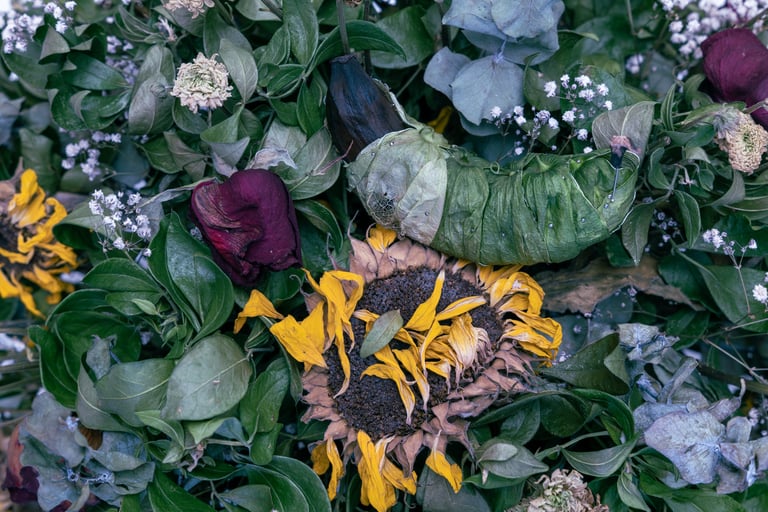
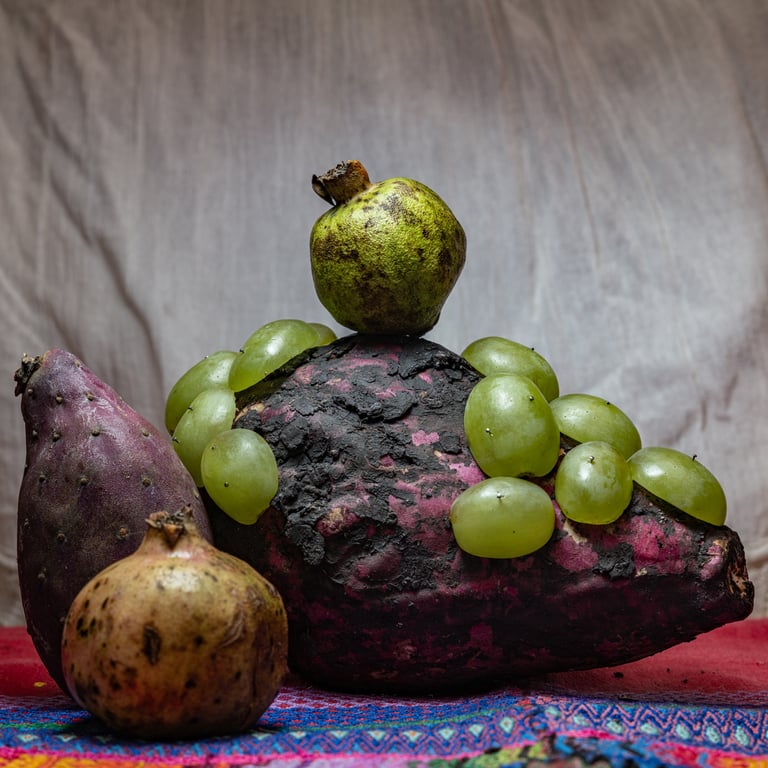
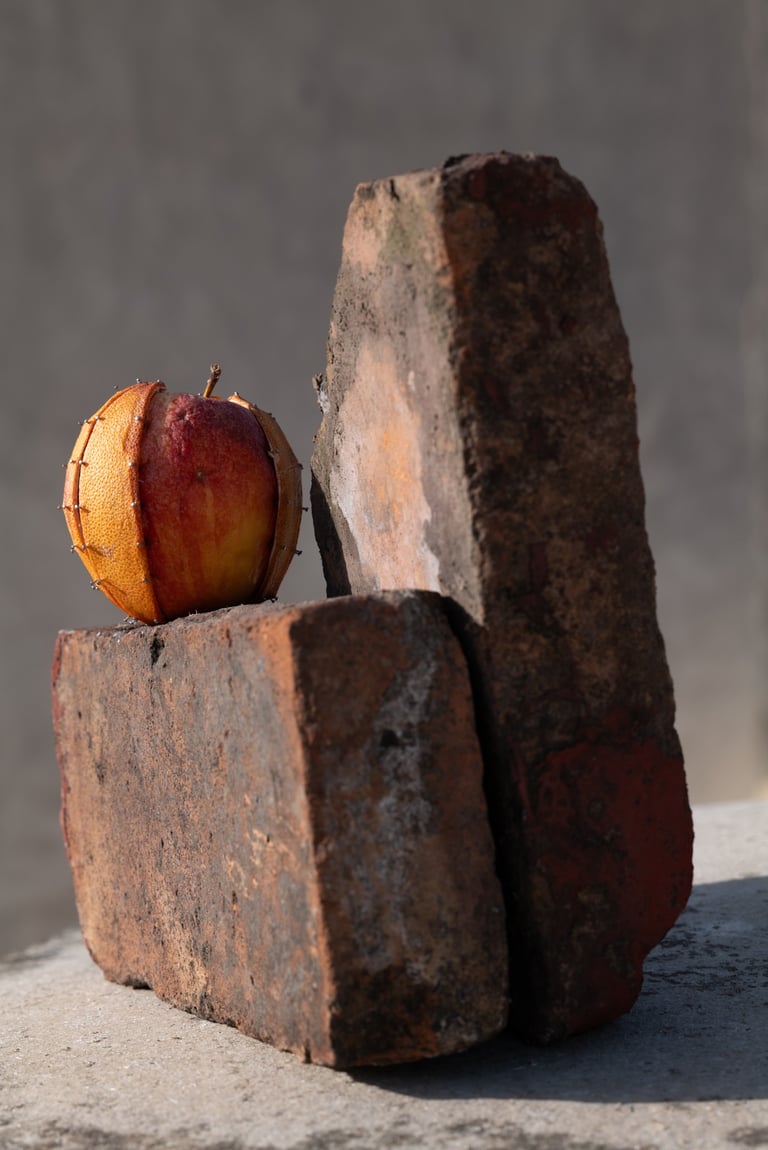
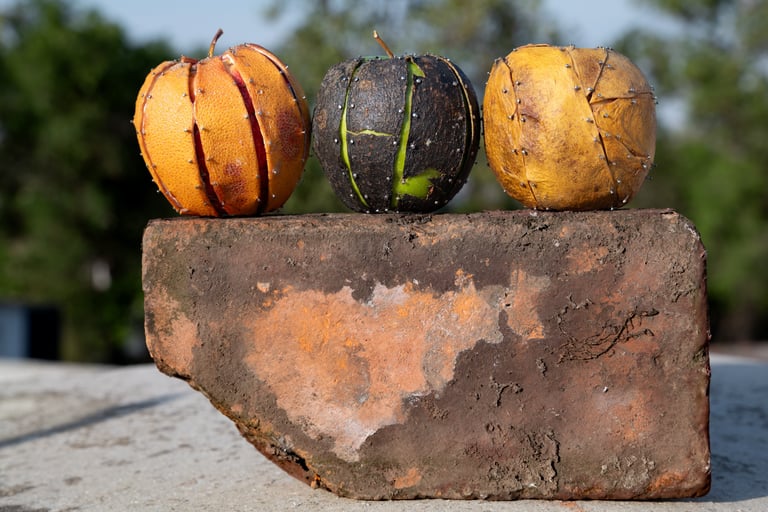
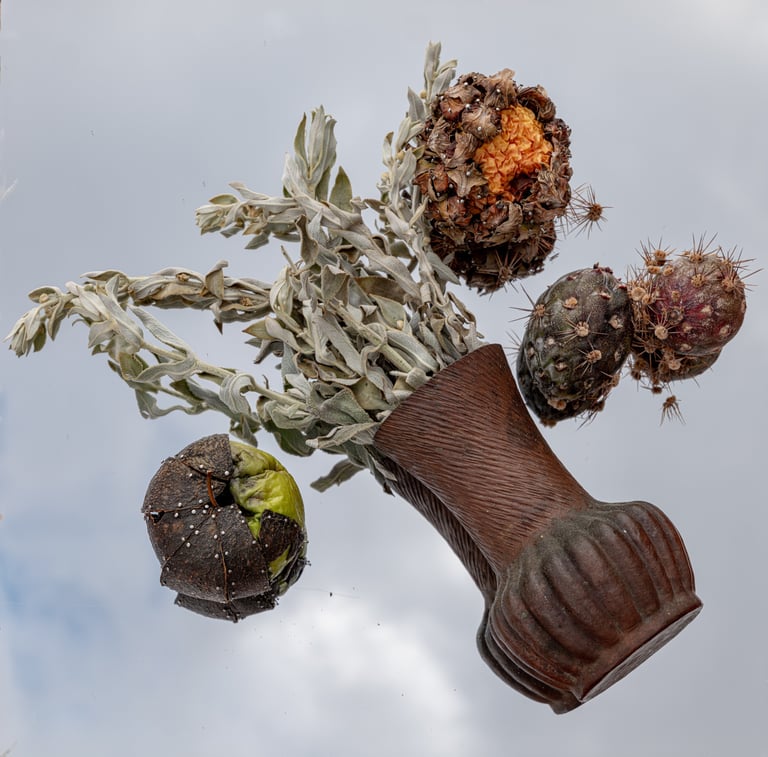
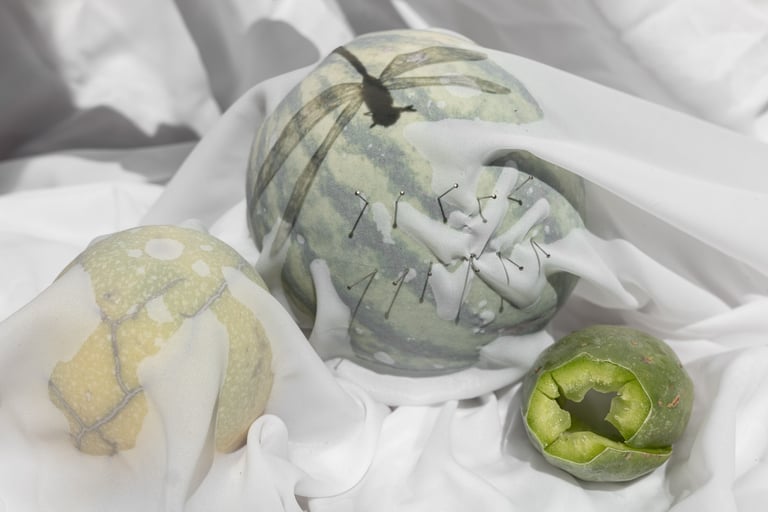
I spent almost eighteen years teaching a diploma course at the Escuela Activa de Fotografía (Active School of Photography). In January 2025, I returned to teach the ninth-semester students in the undergraduate program. It was a very special thrill to know that I would be part of this final stage in the training of future Mexican photographers. In October 2024, I had the opportunity to visit Venice, Paris, Wetzlar, and Verona to learn about and explore the best current projects in the art world, with a particular interest in photographic projects. I was able to visit the Venice Biennale, the Henri Cartier-Bresson Foundation, the Jeu de Paume Art Center, the Galerie de L'Instant, the TCL Art Gallery, Art Basel Paris, the Leica World at Leitz-Park, and the 2024 Oskar Barnack Awards gala. With this experience and the recommendation of a visual artist, the assignment I proposed to the students to pass the course was to create a photographic project based on the curatorial theme of the Venice Biennale: Foreigners Everywhere. With the aim of challenging them to consider what they were proposing alongside what was being presented in Venice, I also set out to create a project I titled "Borders" under the genre of still life.
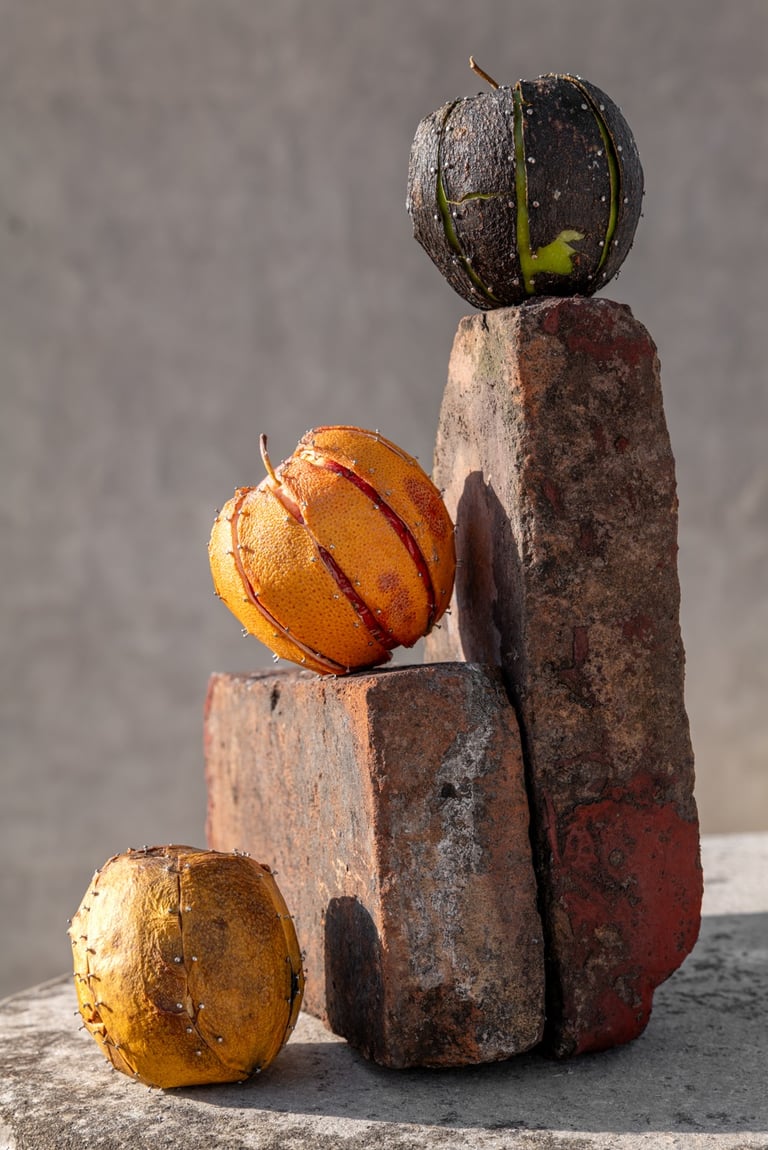
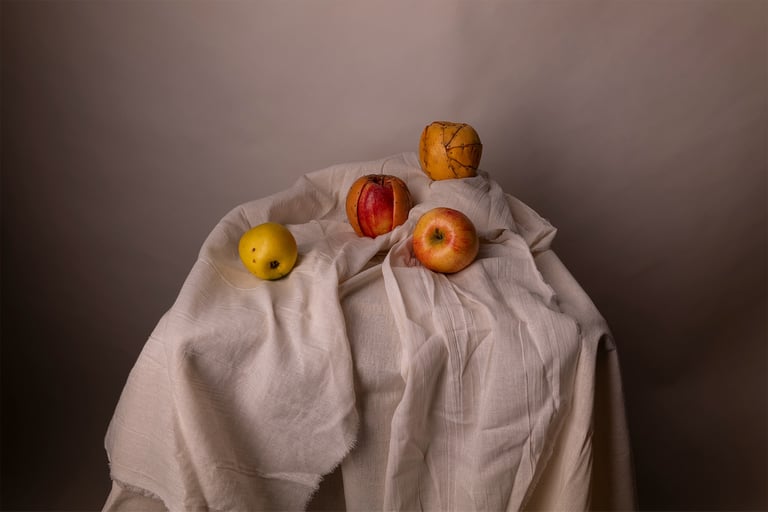
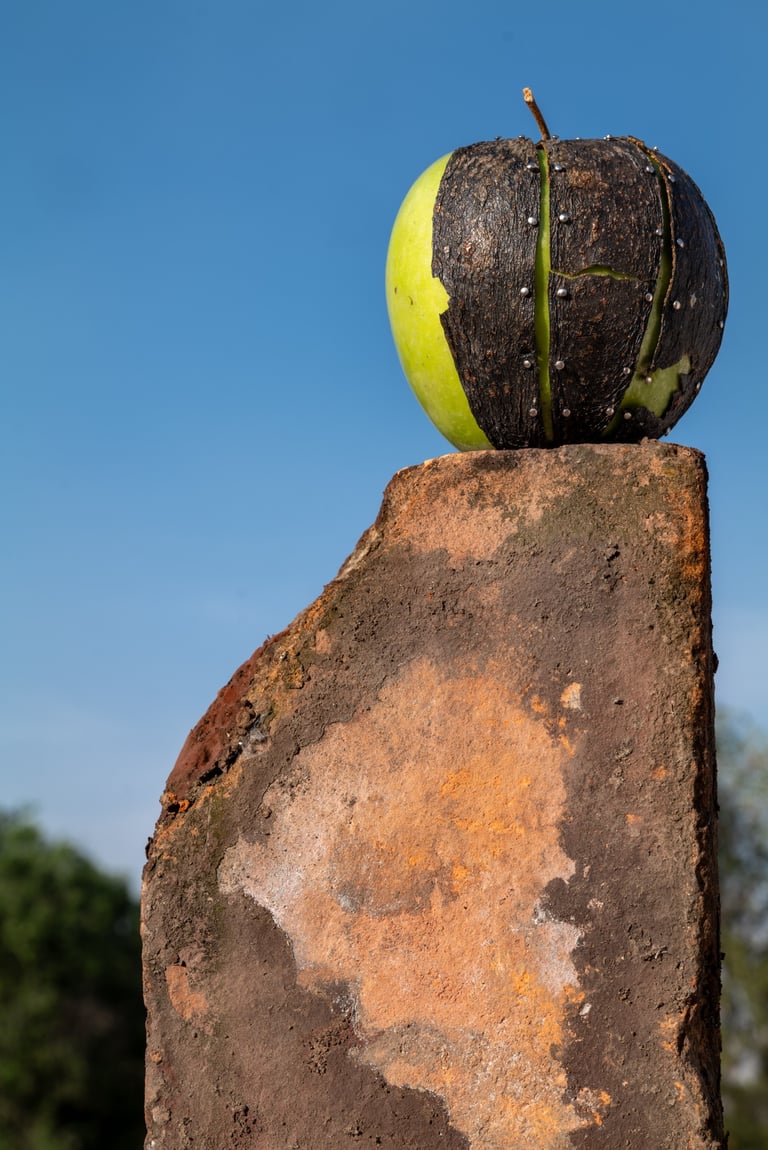
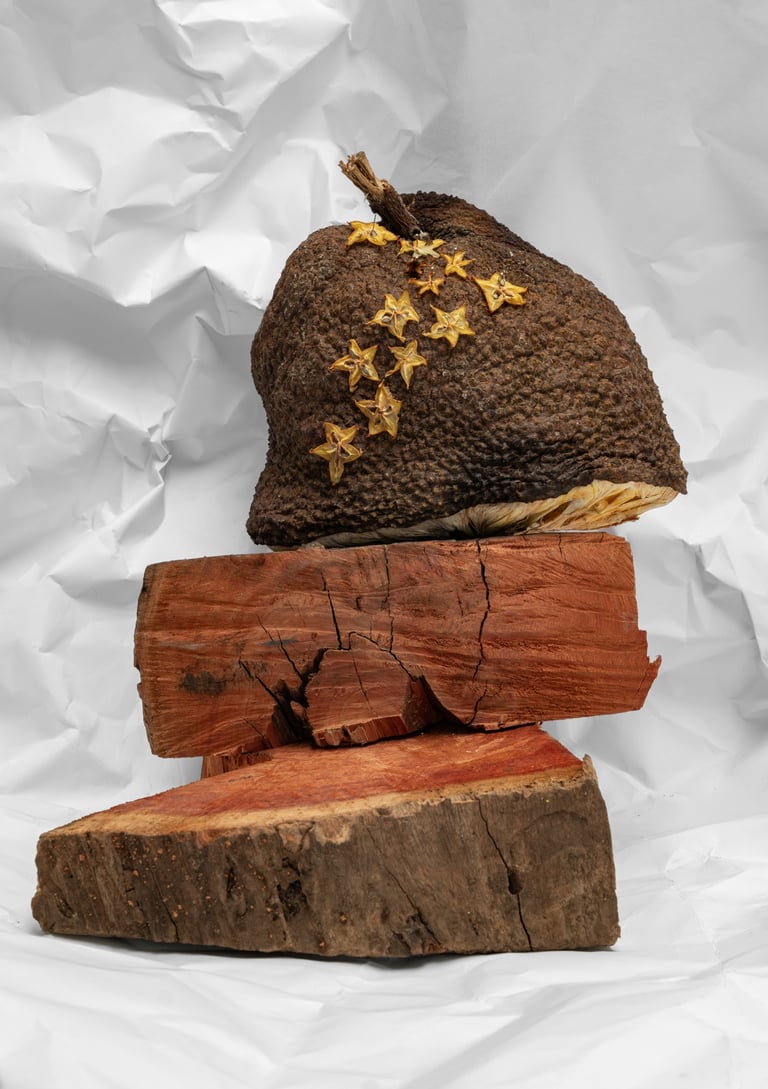
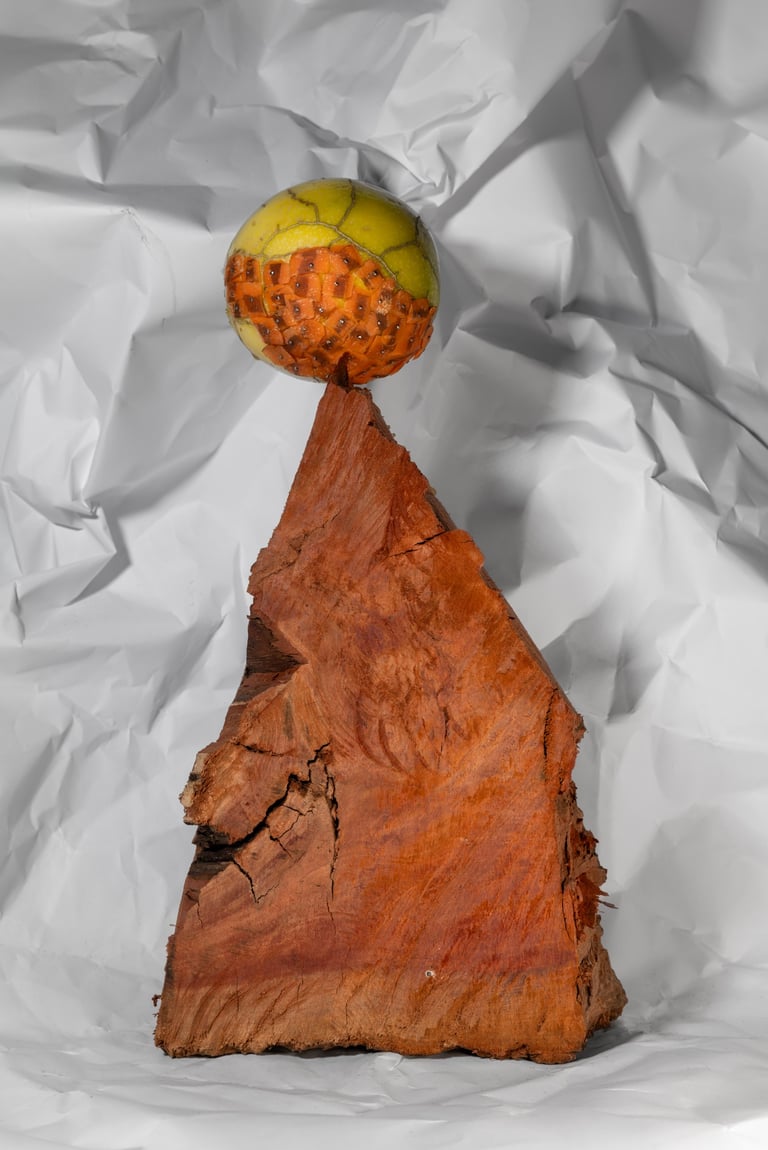
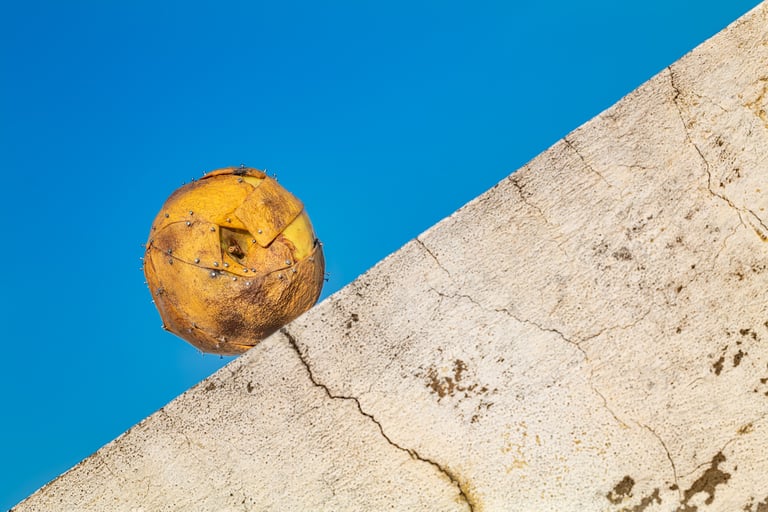
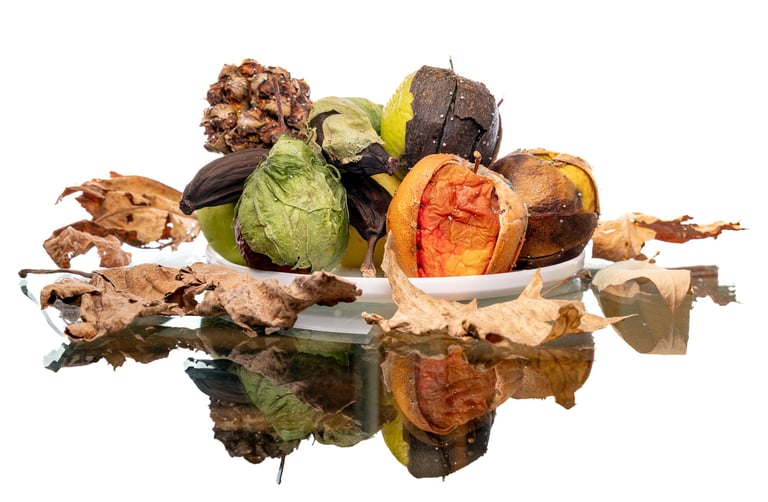
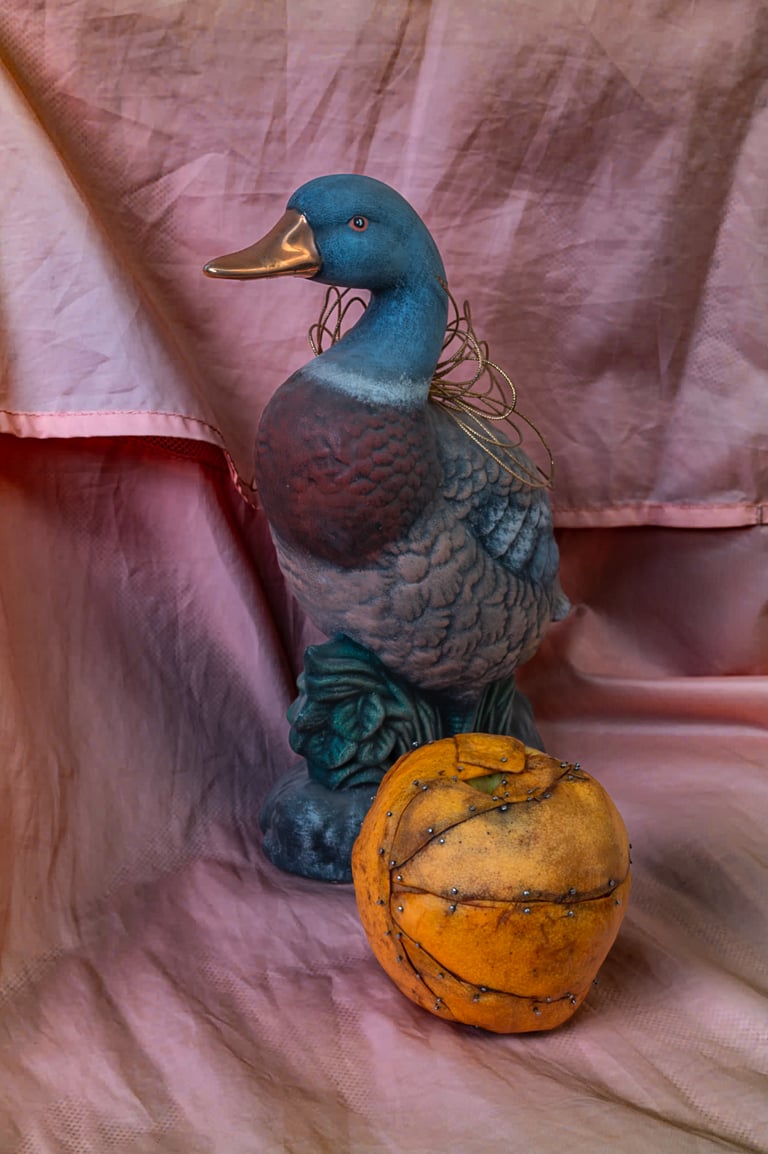
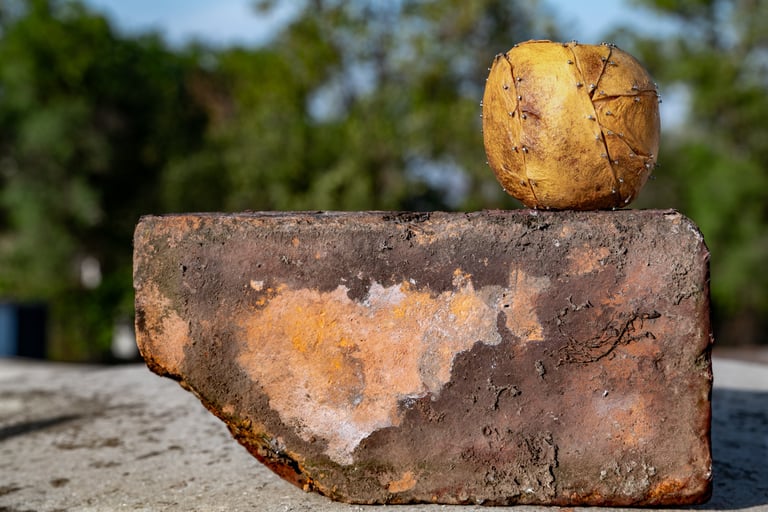
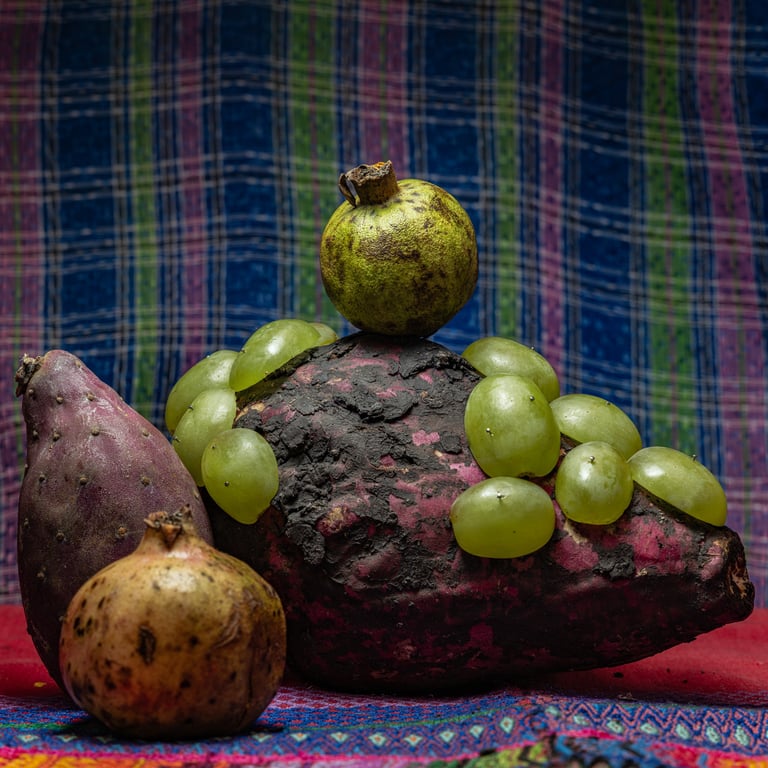
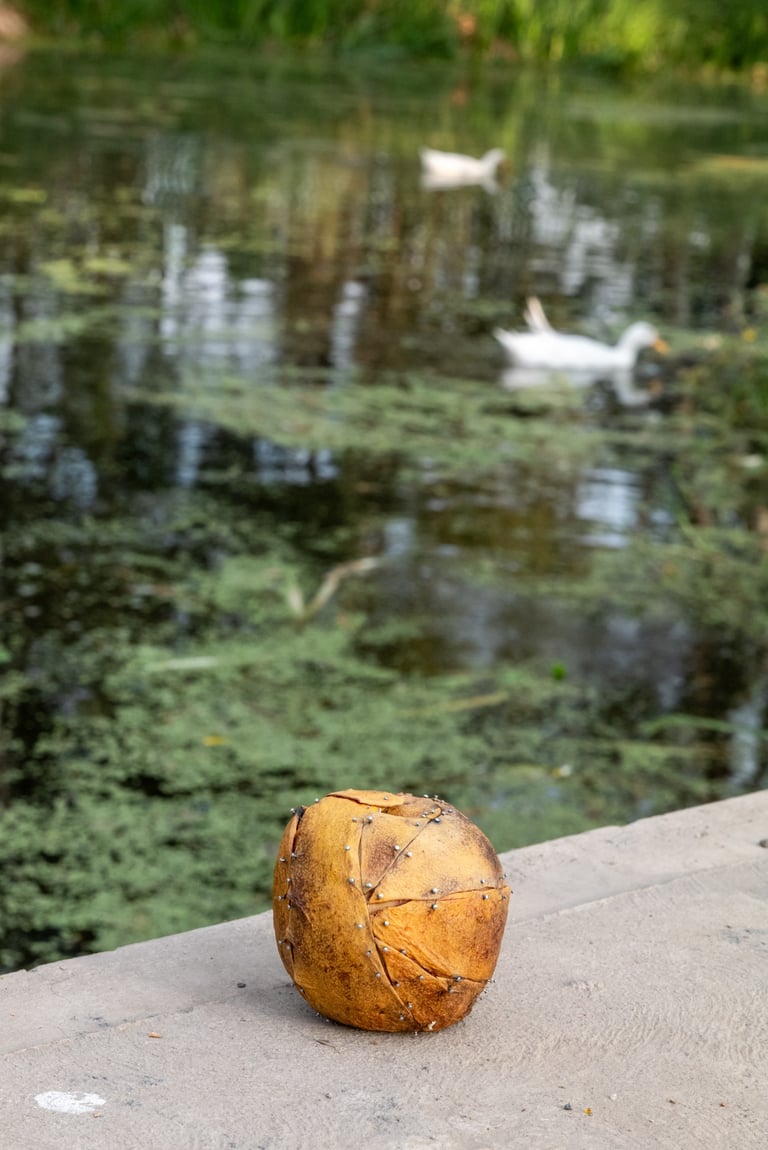
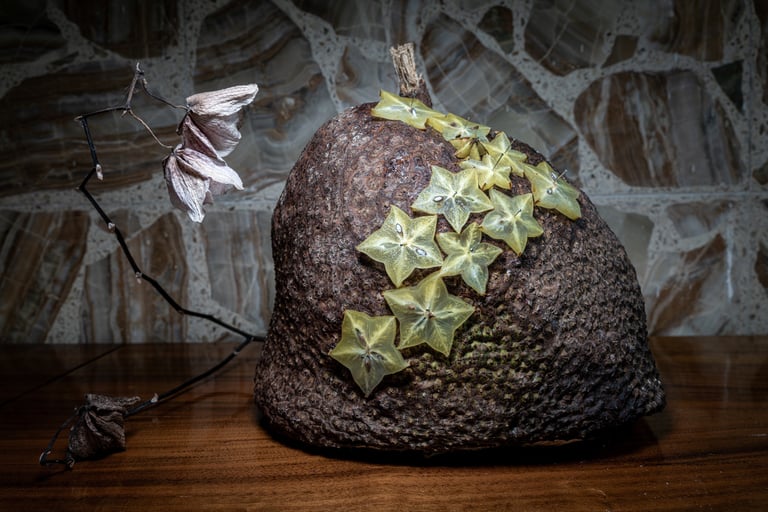
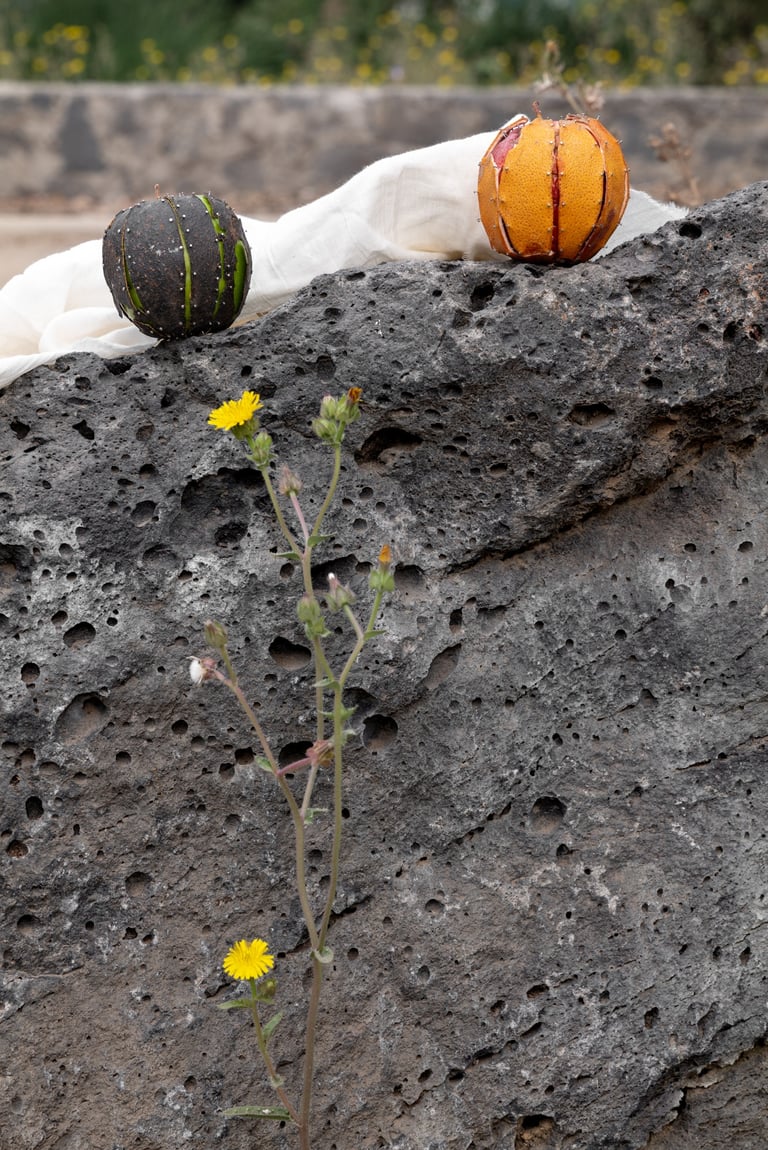
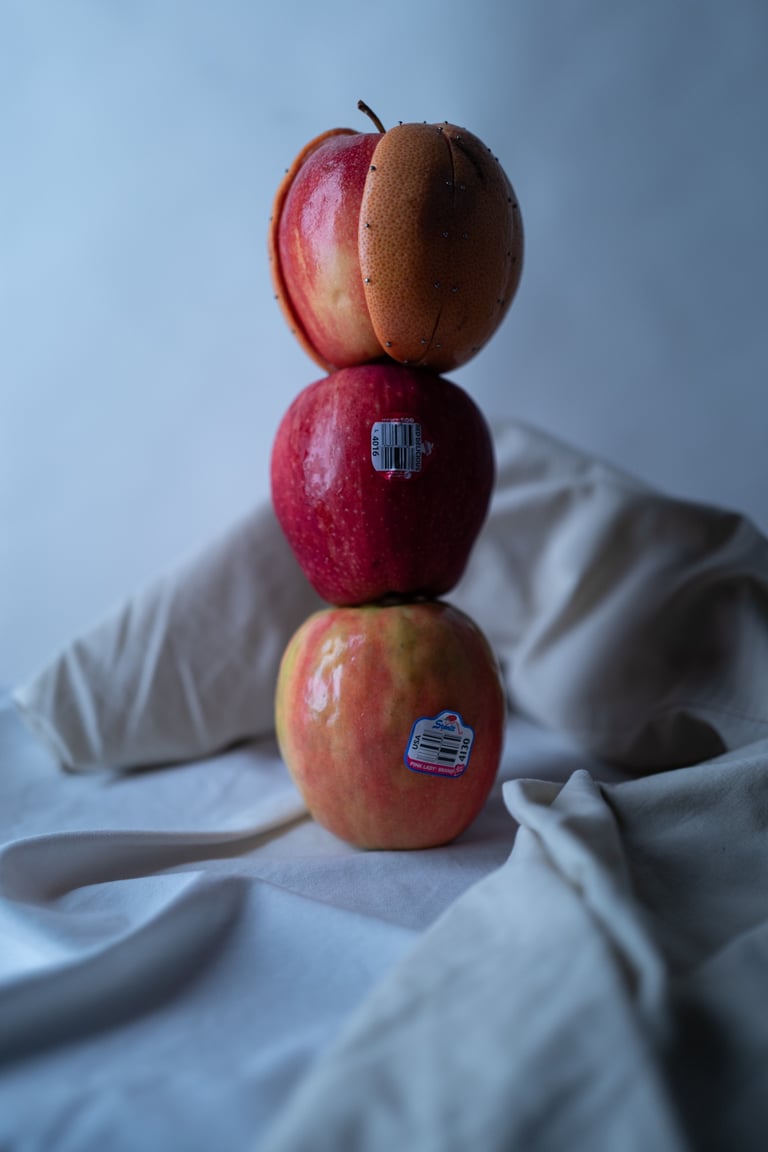
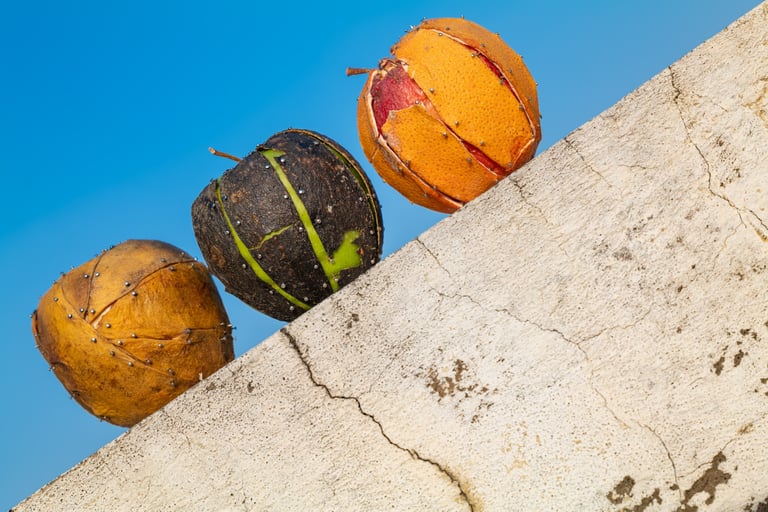
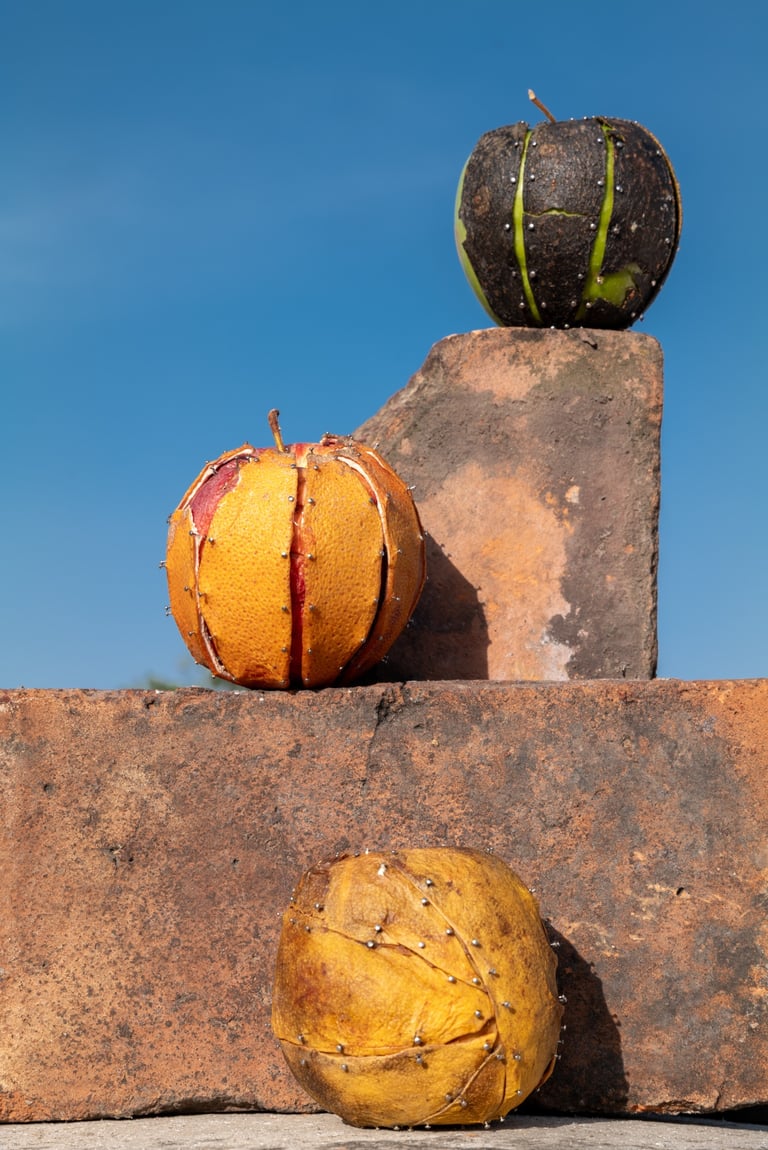
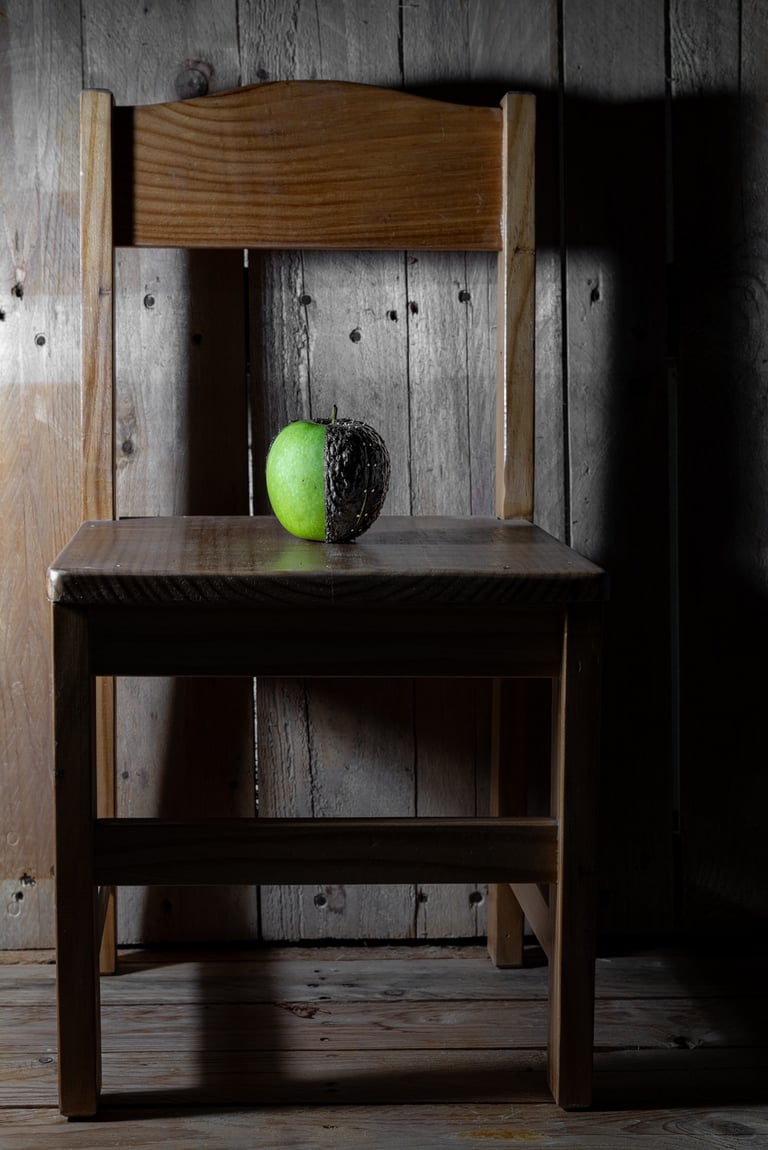
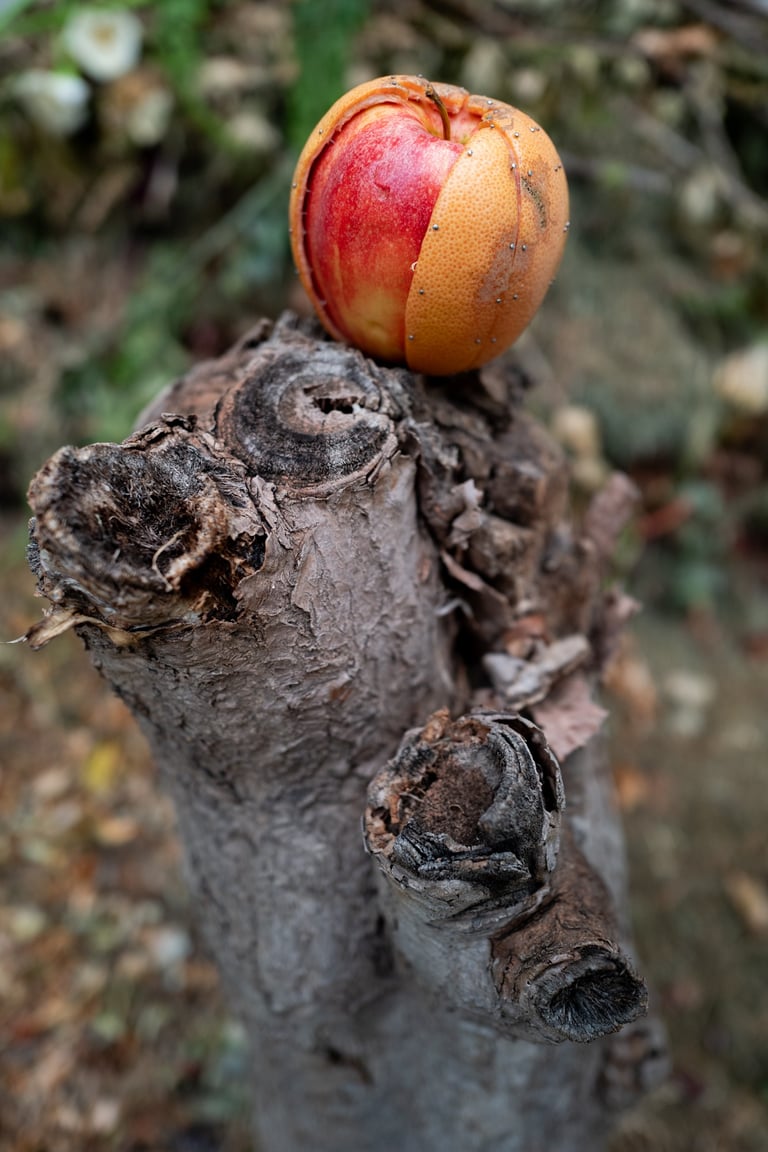
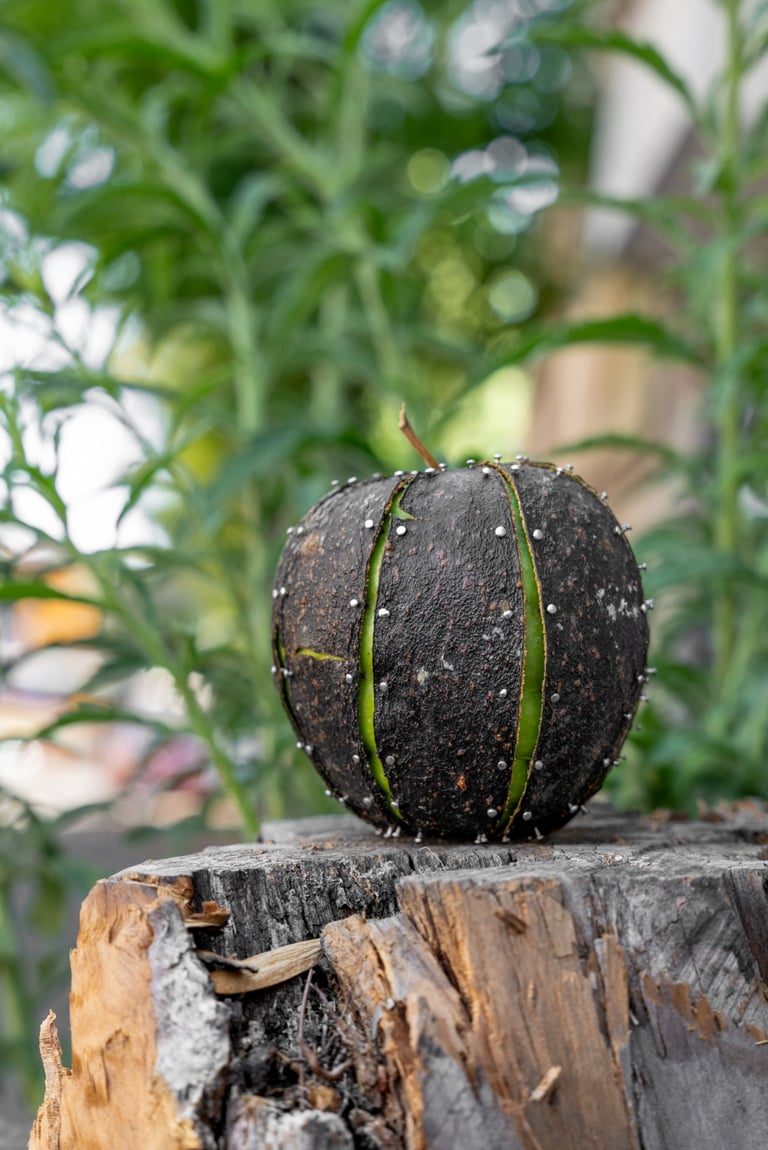
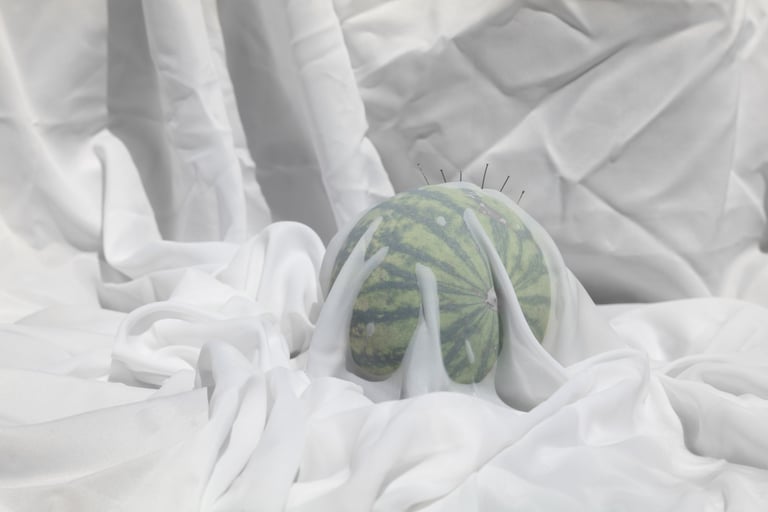
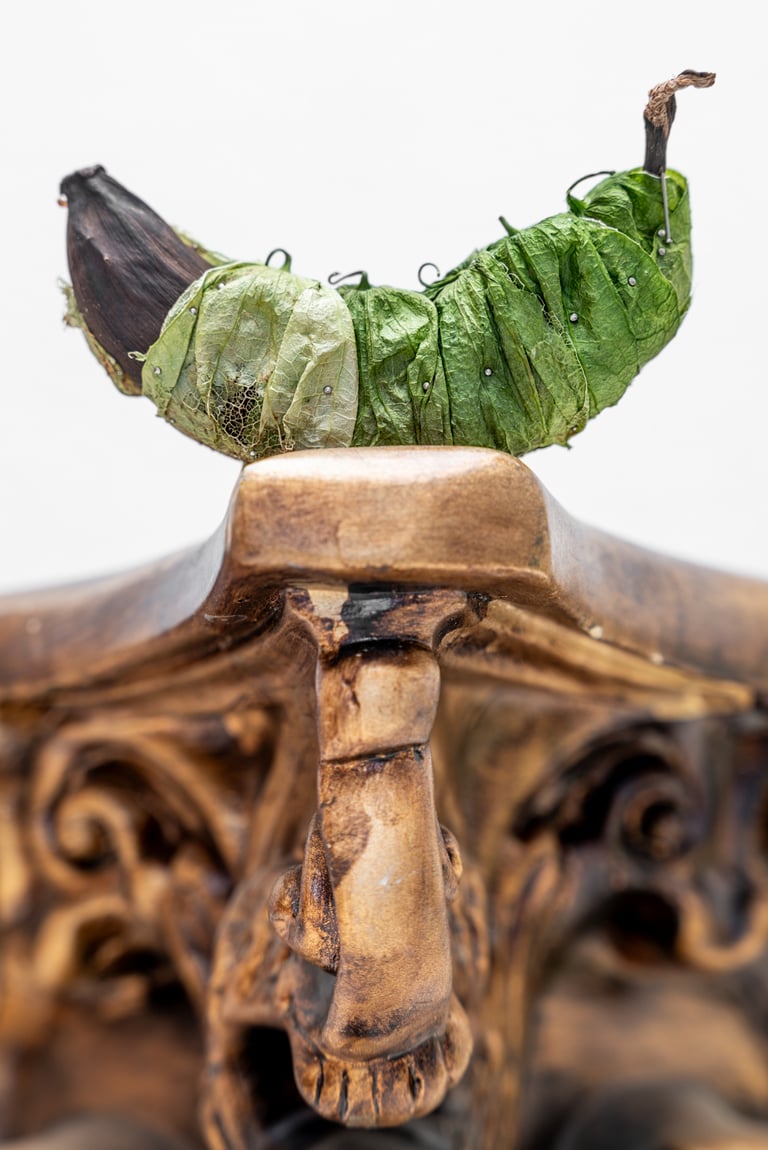
With "Foreigners Everywhere" in mind, I wanted to understand the concept of the foreigner and find it, if possible, in my daily life. I easily found it in apples as a consumer product, whether at the supermarket where the selection allowed me to notice the variety of apples and their origin (mainly the US); however, at the local produce market, the selection was primarily Mexican. All of this suggested many things, the most obvious being the physical and cost differences. So I began to cover the American apples with the peels of Mexican products, in such a way that one peel subdued the other in a kind of construction using pins that could delineate and show this layer foreign to the fruit, yet allowing one to coexist within or on top of the other. This manipulation allowed me to represent the concept of foreigners everywhere from the inevitable consumption chains with foreign products, the transformation of the fruit represents differences, limits, belonging, brand, identity, camouflage, alien.
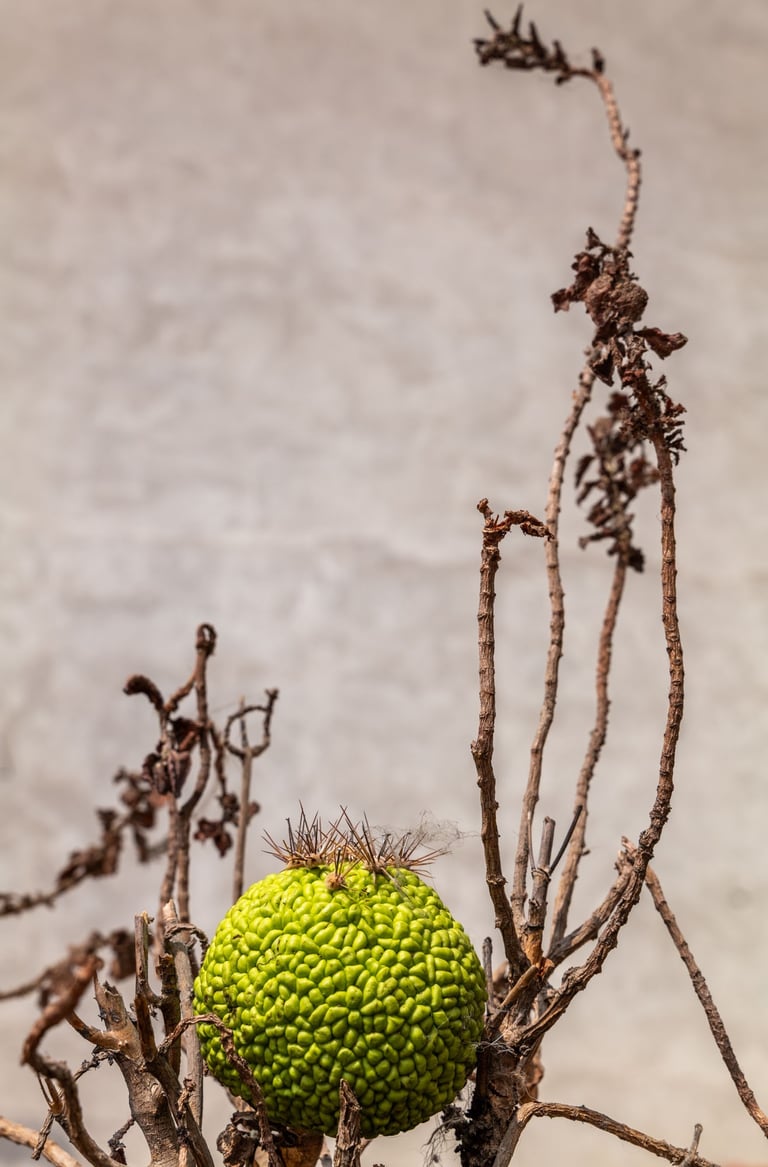
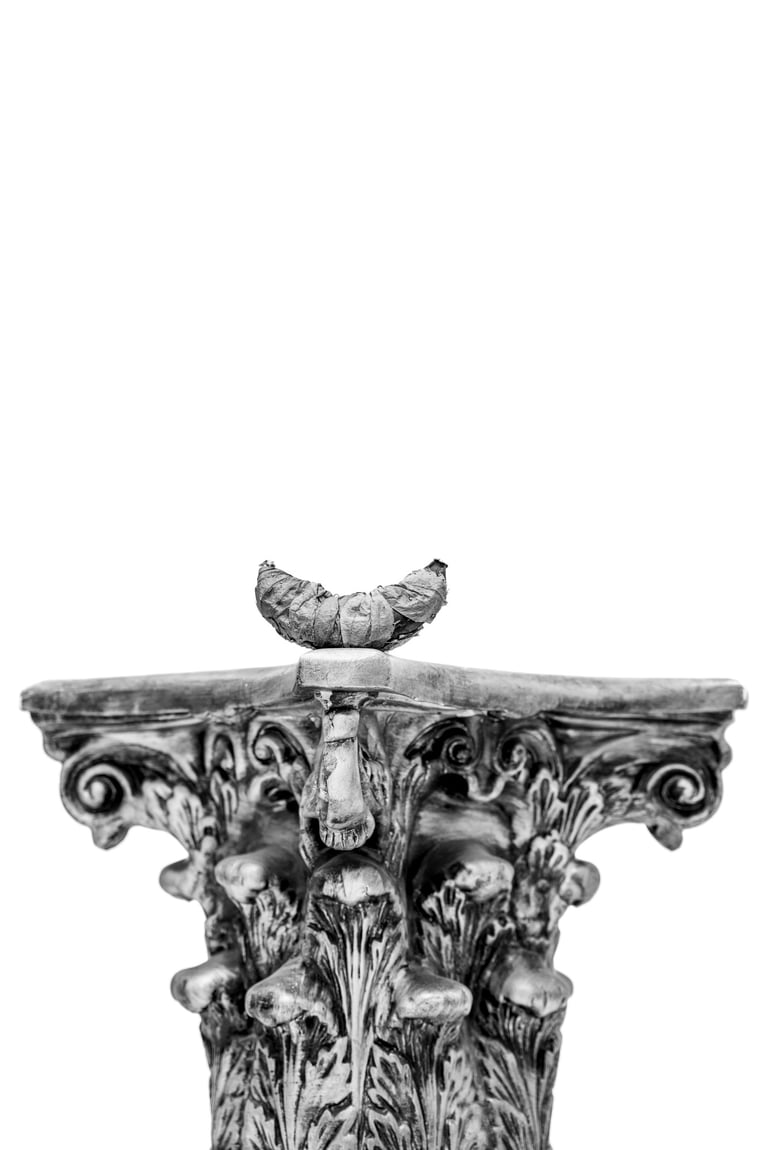
Still life is linked to the place where it is produced, documenting a sense of belonging or displacement, and revealing cultural practices. It is a play of appearance, illusion, reflections, mirrors, doubles, death, time… It offers something intangible, inciting unfulfilled desire. In my still life, the juxtapositions of manufactured elements, linked to specific places, illustrate the boundaries that define, overlap, and coexist between what is one's own and what is foreign, concealing habits of consumption and belonging. Boundaries are constantly transforming and leave their mark.
This was the catalyst for my project; however, while studying the history of still life, one of the aspects that struck me as most relevant is the importance of the photographed objects within a specific context and era. Hence, the relevance of a still life lies in showcasing the cultural practices represented through these objects, which reveal a "here and now" (a specific time period).
Llevó casi dieciocho años impartiendo un diplomado en la Escuela Activa de Fotografía; en enero de 2025 regresé a dar clases en la carrera a los alumnos de noveno trimestre; fue una emoción muy particular saber que sería parte de este proceso final de formación de los futuros fotógrafos mexicanos. En octubre de 2024 tuve la oportunidad de visitar Venecia, París, Wetzlar y Verona para conocer y aprender las mejores propuestas actuales de proyectos en el mundo del arte con gran interés por ver proyectos fotográficos. Así que pude visitar la Bienal de Venecia, la Fundación Henri Cartier Bresson, Centro de Arte Jeu de Paume, La Galería de L´ instant, Galería TCL art, Feria Art Basel Paris, el mundo de Leica en Leitz-Park y la gala de premiación Oskar Barnack 2024. Con esta experiencia y con la recomendación de un artista visual, el trabajo que propuse hacer a los alumnos para aprobar la materia era hacer un proyecto fotográfico con el tema curatorial de la Bienal de Venecia: Extranjeros por todas partes; con la finalidad de retarlos a que a la par de lo que en Venecia se estaba presentando, ¿qué proponían ellos? Así que yo también me propuse hacer un proyecto que titulé Fronteras bajo el género de bodegón.
Teniendo en mente Extranjeros por todas partes, quería entender el concepto de extranjero y encontrarlo, si acaso, en mi día a día. Lo encontré fácilmente en las manzanas como producto de consumo ya fuera en el supermercado donde la oferta me permitió notar la variedad de manzanas y su procedencia (principalmente EU); sin embargo en la recaudería la oferta era principalmente producto mexicano. Todo esto aparentaba muchas cosas y las más obvias eran las diferencias físicas y de costo. Así que comencé a cubrir las manzanas gringas con cáscaras de productos mexicanos, de tal manera que una piel sometiera a la otra en una especie de confección a través de alfileres que pudieran delinear y mostrar esta capa ajena a la fruta pero que permitiera coexistir una dentro o sobre la otra. Esta manipulación me permitió representar el concepto de extranjeros por todas partes desde las inevitables cadenas de consumo con productos extranjeros, la transformación de la fruta representa diferencias, límites, pertenencia, marca, identidad, camuflaje, ajeno.
La naturaleza muerta se vincula con el lugar en que se produce, documenta un arraigo o desarraigo, y revela prácticas culturales. Es un juego de apariencia, ilusión, reflejos, espejos, dobles, muerte, tiempo… Ofrece algo que no se puede tocar incitando al deseo insatisfecho. En mi naturaleza muerta las yuxtaposiciones de los elementos manufacturados, vinculados a lugares específicos, ilustran las fronteras que delimitan, se superponen y coexisten entre lo propio y lo ajeno, disimulando hábitos de consumo y pertenencia. Las fronteras son y dejan marcas en constante transformación.
Este fue el detonante para mi proyecto, sin embargo al estudiar sobre la historia del bodegón uno de los aspectos que me parecieron más relevantes es la importancia que tienen los objetos fotografiados dentro de un contexto y época. De ahí que la relevancia de un bodegón es mostrar las prácticas culturales representadas a través de estos objetos que muestran un “aquí y ahora” (época).